
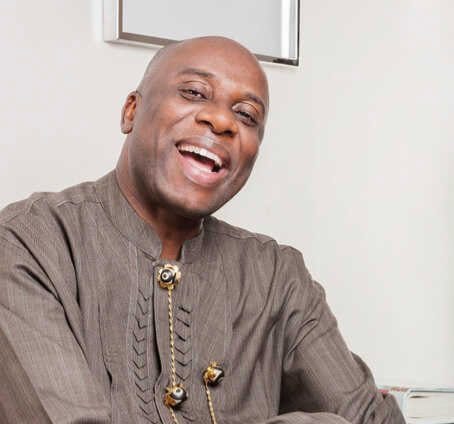
By Akintoye Olugbenga
In Nigeria, political popularity is often built in strange ways. Leaders do not always rise because they govern well. Many rise by exaggerating themselves, joking away serious problems, displaying force, or treating Nigerians as people who will accept anything if it sounds bold enough.Over time, this has shaped a political culture where seriousness is mistaken for weakness and responsibility is treated as arrogance. Leaders turn hardship into slogans. Failure becomes comedy.
Suffering is explained away with jokes, threats, or dramatic excuses.But quietly, many Nigerians are growing tired of this.They are not asking for leaders who entertain them. They are asking for leaders who understand how government actually works and who take the country seriously enough to fix broken systems.This helps explain the nature of support around Rotimi Amaechi.His supporters are rarely the loudest online. They do not rely on insults or slogans.
They argue with records, timelines, court facts, and policy details. That restraint is not accidental. It comes from what they have seen and experienced in his public life.They have seen a governor who confronted insecurity not with talk, but with coordination between security agencies and investment in intelligence and infrastructure. They have seen a leader whose only priority was the people’s welfare which made him treat projects as systems, plan them properly, not as one-term stunts. They have seen someone who understood that institutions must outlive individuals, whether in transport, security, or socio-economic development.
They have also watched him face political conflict without abandoning decorum, even when it came at personal cost. Court battles were fought openly. Decisions were defended publicly. Disputes were taken to institutions, not settled through noise or mob pressure.This history shapes how his supporters, such as the CRA27 Advocacy Network, Amaechi Facts and many others choose to engage. They (Amaechists as this writer calls them) understand that governance is technical, and often unglamorous. They know that successors can abandon projects, politics can weaken institutions, and rivalry can distort facts. So when they speak, they do so thoughtfully, choosing evidence over excitement.
This has not gone unnoticed even by supporters of Amaechi’s competition who acknowledge regularly the restraint and high standards his supporters apply during public debates.
Competence does not make good comedy. It very often does not create viral clips. But when it shows up in real life, it resembles systems like functional transport systems, robust security architecture that are built to scale, and institutions that survive political change.
Charisma can distract people for a while. Caricature can win applause. But neither fixes a broken system. In a country where too much has been reduced to noise and theatrics, seriousness is beginning to feel like respect. Many Nigerians want leaders who do not mock their intelligence, who do not explain failure away, and who understand that leadership is work, not theatre.This shift is quiet. It does not trend easily. But it matters.Because nations do not fail from lack of talk. They fail when no one knows how to do the work.And increasingly, many Nigerians are looking for leaders like Rotimi Amaechi who do.