
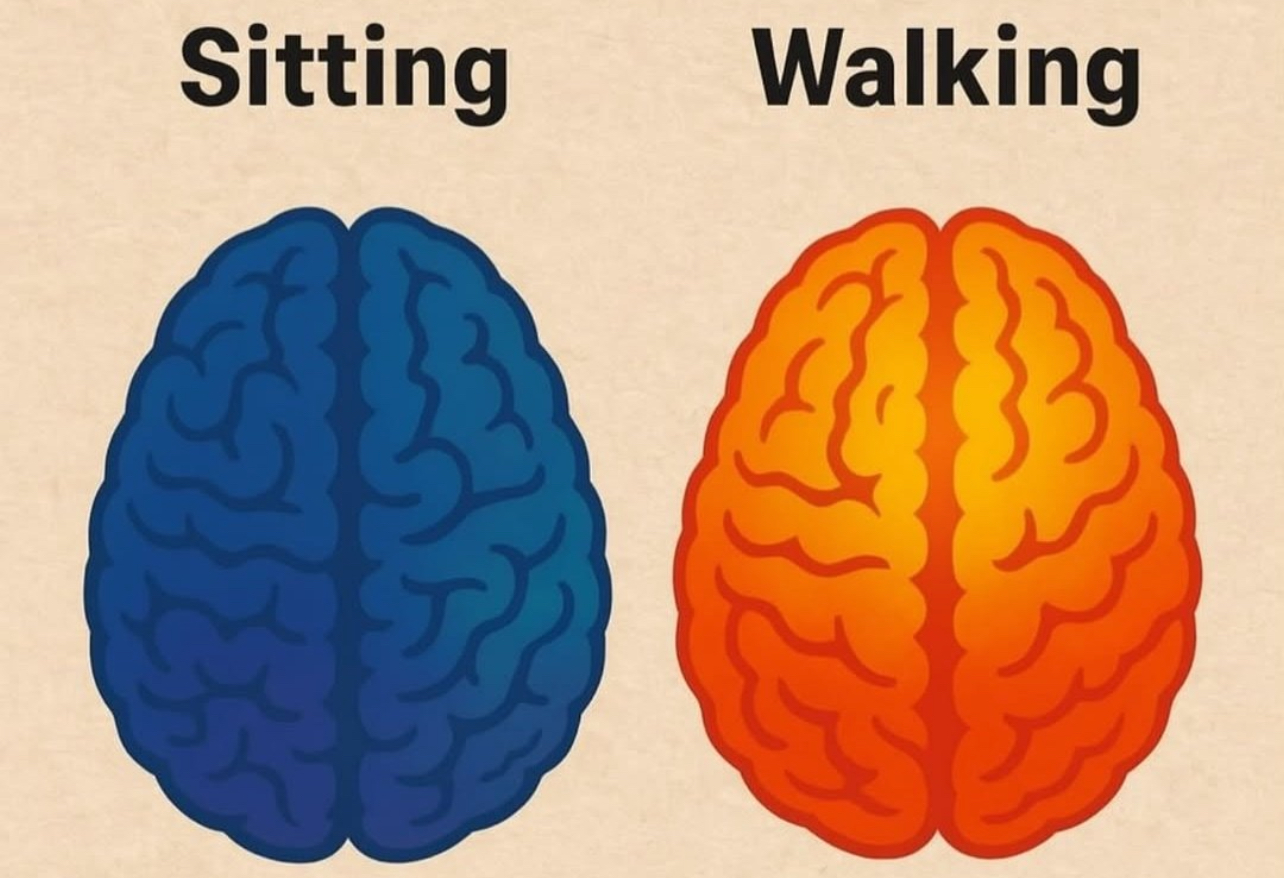
The hippocampus is a crucial part of the brain, primarily involved in memory and learning. It plays a key role in forming, storing, and retrieving memories, especially long-term memories, and is also important for spatial navigation and recognizing your surroundings. It’s located in the medial temporal lobe and is part of the limbic system, which regulates emotions and behaviors.
Here’s a more detailed look:
Key Functions:
- Memory Formation: The hippocampus converts short-term memories into long-term memories.
- Spatial Navigation: It helps you understand your environment and remember locations.
- Learning: It’s essential for acquiring new knowledge and skills.
- Emotions: It’s linked to the limbic system, which plays a role in emotional responses.
Location:
- The hippocampus is located deep within the temporal lobe, one of the four lobes of the brain.
- There are two hippocampi, one on each side of the brain.
- It’s a seahorse-shaped structure, which inspired its name (hippocampus means “seahorse” in Greek).
Relationship to Other Brain Regions:
- The hippocampus receives input from and sends output to other brain regions, particularly the entorhinal cortex.
- It’s part of the limbic system, which also includes the amygdala and other structures involved in emotions and motivation.
Potential Problems with the Hippocampus:
- Damage to the hippocampus can lead to difficulty forming new memories, problems with spatial navigation, and other cognitive impairments.
- Conditions like Alzheimer’s disease, depression, and stress can affect the hippocampus.
In simpler terms, the hippocampus is like a “memory index” for your brain, helping you organize, store, and retrieve important information.
10
/ 100
SEO Score