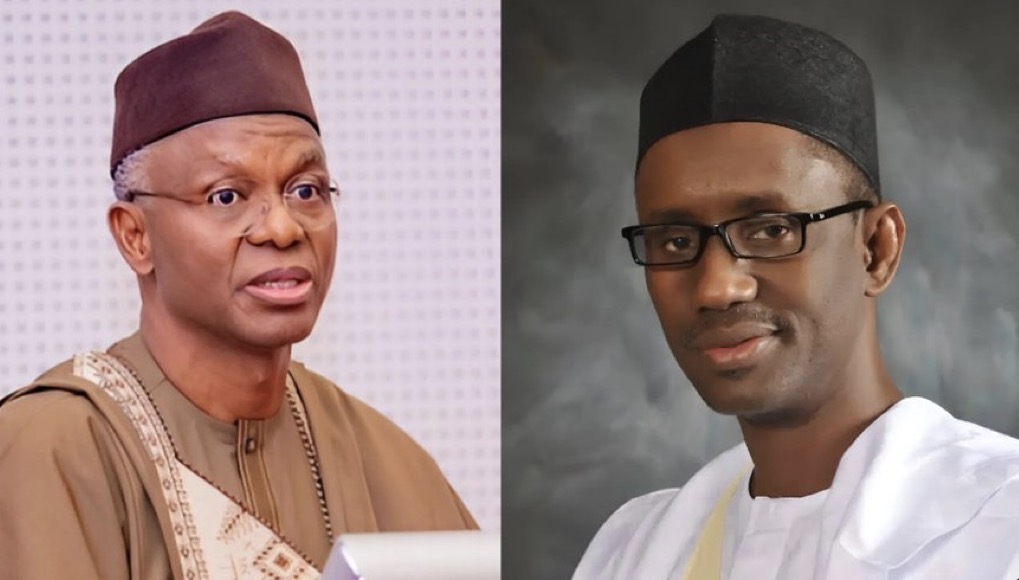
In a major development rocking Nigeria’s political and security landscape, the Federal Government has filed a three-count criminal charge against former Kaduna State Governor Nasir El-Rufai at the Federal High Court in Abuja. The charges, initiated by the Department of State Services (DSS), stem from El-Rufai’s recent appearance on Arise TV’s Prime Time programme on February 13, 2026, where he admitted that he and unnamed associates had unlawfully intercepted phone communications belonging to National Security Adviser Nuhu Ribadu.
The counts accuse El-Rufai of violating the Cybercrimes (Prohibition, Prevention, etc.) Amendment Act, 2024, by admitting to the interception, failing to report known perpetrators, and using technical means that allegedly compromised national security and public safety—also breaching provisions of the Nigerian Communications Act, 2003. The case has sparked intense debate, with some viewing it as a direct fallout from El-Rufai’s explosive claims about surveillance and political targeting.
Meanwhile, on the international front, the United States Treasury’s Office of Foreign Assets Control (OFAC) has imposed fresh sanctions on eight Nigerians for alleged ties to terrorism and cybercrime. The targeted individuals face asset freezes and transaction bans due to purported links to groups like Boko Haram, ISIL (ISIS), and related financing networks, as well as involvement in online criminal activities. This move underscores ongoing global efforts to disrupt terror funding and cyber threats originating from the region.
These parallel stories highlight heightened tensions in Nigeria’s security and governance spheres, drawing widespread attention both domestically and abroad. More details are expected as court proceedings and international responses unfold.