
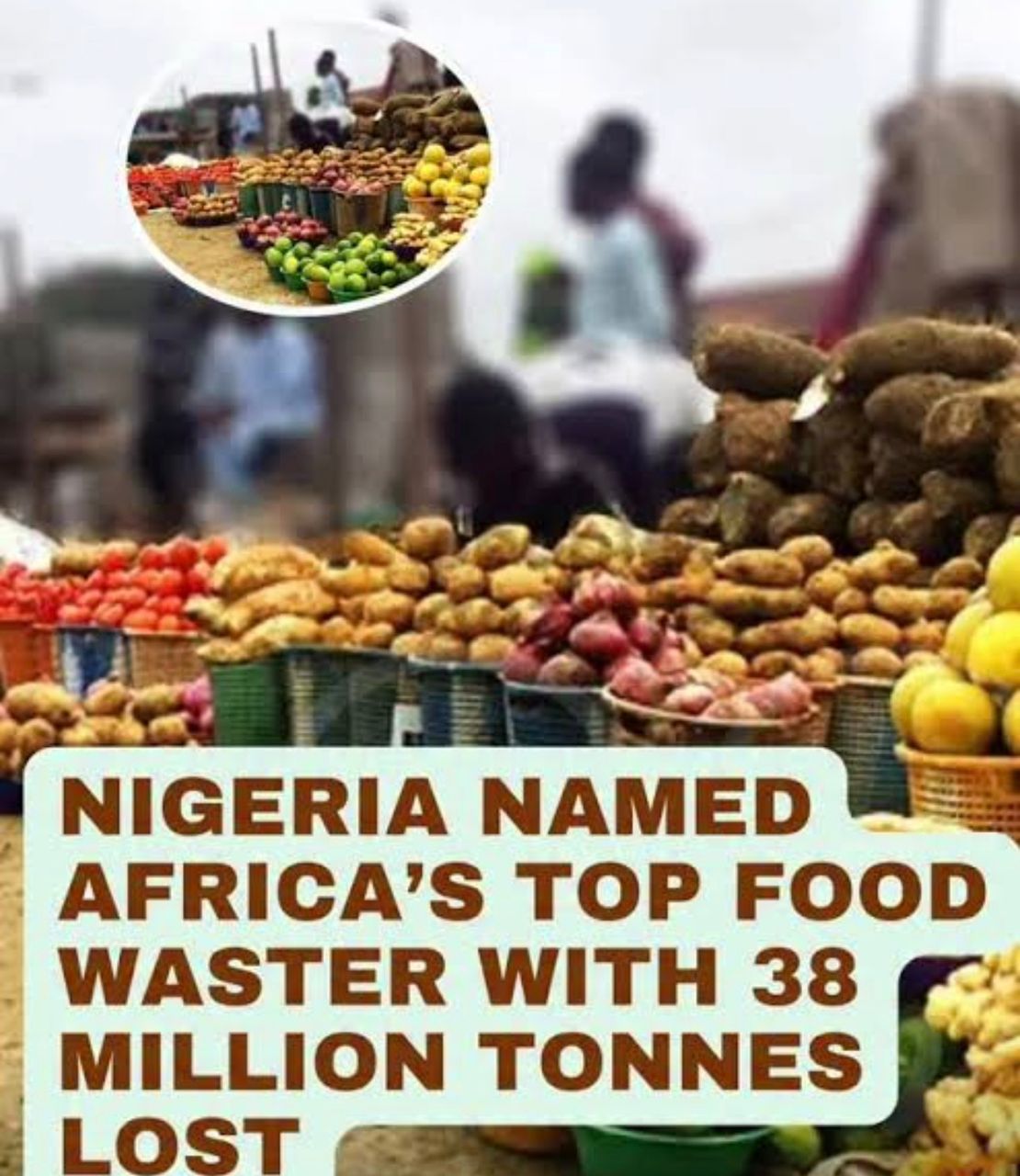
The European Union has raised serious concern over Nigeria’s massive food waste crisis, revealing that the country loses an estimated 38 million tonnes of food every year, the highest figure recorded across the African continent. This alarming statistic was disclosed by Zissimos Vergos, Deputy Ambassador of the EU Delegation to Nigeria and ECOWAS, during the commemoration of International Zero Waste Day held in Abuja. The event, themed “Food Waste Reduction: Minimisation and Valorisation,” brought together stakeholders from the federal government, the United Nations Industrial Development Organisation, and other partners to address the urgent need for sustainable consumption and production practices.
Nigeria’s annual food waste of 38 million tonnes represents a profound challenge that undermines food security, strains the economy, and exacerbates environmental degradation in a nation already grappling with hunger and poverty in many regions. The loss occurs at various stages, from post-harvest handling and storage deficiencies to poor transportation infrastructure and wasteful consumer habits. Experts note that such wastage not only deprives millions of Nigerians of adequate nutrition but also wastes valuable resources including water, energy, and arable land used in food production. In a country where agriculture remains a cornerstone of the economy and livelihoods, this level of inefficiency highlights critical gaps in the value chain that demand immediate intervention.
The EU, in partnership with the Nigerian government and UNIDO, has called for coordinated and decisive action to curb this trend. Deputy Ambassador Vergos emphasized that food waste is not merely an issue of surplus but a multifaceted problem affecting climate goals, economic growth, and social well-being. Global comparisons further contextualize the scale, as nearly one billion tonnes of food are wasted worldwide each year according to United Nations estimates. For Nigeria, reducing even a fraction of this 38 million tonnes could significantly boost availability for vulnerable populations and support broader efforts toward achieving sustainable development targets.
Stakeholders at the event stressed the importance of investing in improved storage facilities, better processing technologies, enhanced distribution networks, and public awareness campaigns to promote mindful consumption. Valorisation of unavoidable waste through innovative recycling and conversion methods was also highlighted as a viable pathway. As Nigeria continues to face intersecting challenges of food insecurity and climate vulnerability, this revelation serves as a clarion call for policymakers, private sector players, and communities to prioritize waste reduction strategies that can transform agricultural outcomes and foster long-term resilience.