
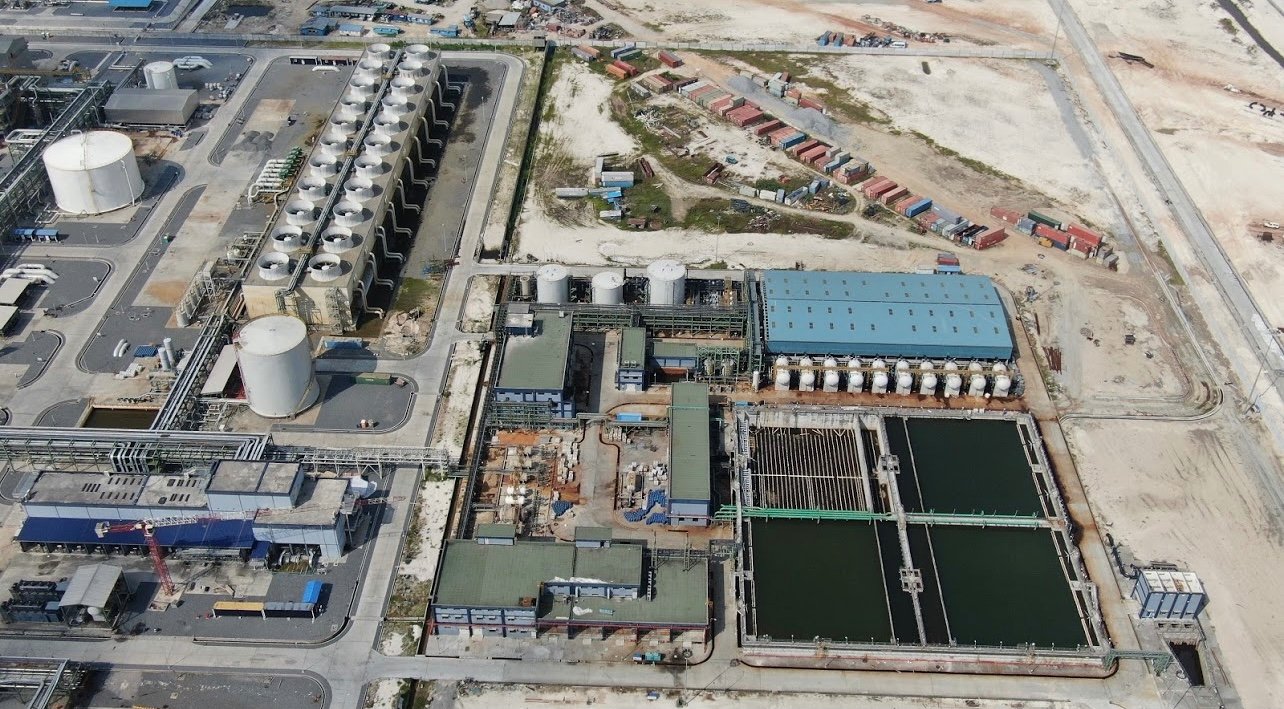
In a fresh escalation of the ongoing tension in Nigeria’s petroleum sector, the Nigerian National Petroleum Company Limited has accused the Dangote Petroleum Refinery of attempting to establish monopoly control over the country’s fuel market. According to court documents filed at the Federal High Court in Lagos, the state oil firm argues that the refinery’s legal challenge against import licenses issued to other marketers seeks to restrict competition and undermine the nation’s energy security.
The NNPC, in its proposed defense, warned that granting the Dangote Refinery’s requests to void or limit fuel import permits could expose Nigeria to severe supply disruptions, price instability, and broader risks to the economy.
The company further stated that relying heavily on a single domestic producer would reduce supply flexibility and leave the market vulnerable to any operational challenges at the refinery.
This position comes despite the Dangote Refinery being Africa’s largest, with a capacity of 650,000 barrels per day, and its potential to significantly reduce Nigeria’s dependence on imported fuel.
Stakeholders have expressed mixed reactions to the development. While some analysts view the NNPC’s stance as a necessary safeguard for competitive pricing and reliable supply, others see it as resistance to the emergence of a dominant private player capable of transforming the downstream sector.
The dispute highlights deeper issues around crude supply, regulatory oversight, and the balance between promoting local refining capacity and maintaining open market access for importers.
The court hearing on the matter is expected in the coming weeks, and the outcome could have significant implications for fuel availability, pricing, and investment confidence in Nigeria’s energy industry.
As the case unfolds, industry observers continue to monitor how this legal battle will shape the future of petroleum product distribution in Africa’s largest economy.