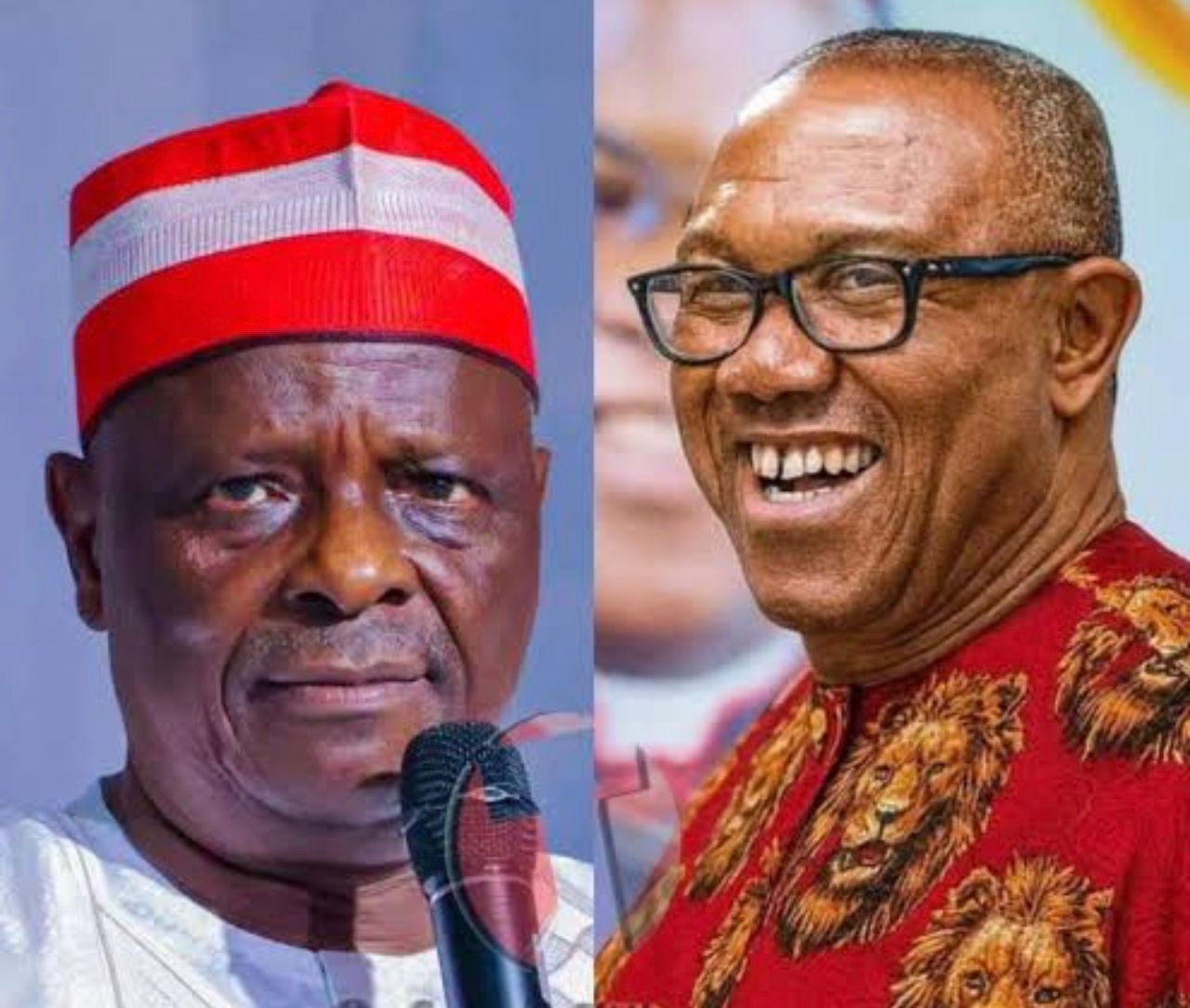
Political realignments continue to gather pace in Nigeria as key figures within the opposition prepare for the 2027 general elections. Reports indicate that a major coalition may soon adopt a joint presidential ticket featuring former Anambra State Governor Peter Obi and former Kano State Governor Rabiu Musa Kwankwaso. This development has sparked widespread discussions among political observers and supporters who see the pairing as a potentially formidable force against the ruling All Progressives Congress.
Supporters of both leaders recently launched the Obi Kwankwaso Movement, also known as the OK Movement, to mobilise backing for the alliance. The movement brings together elements from the Obidient network, the Kwankwasiyya political structure, the New Nigeria Peoples Party, and the African Democratic Congress.
Its national publicity secretary, Justin Ijeh, has stated that the two principals have already agreed to work together, with ongoing talks focused on the exact structure of their collaboration. While details on who would head the ticket remain under discussion, the emphasis lies on unity and the shared goal of presenting a credible alternative in the next presidential race.
The African Democratic Congress appears positioned as a central platform for this emerging alliance, having attracted several high profile opposition voices in recent months. Peter Obi and Rabiu Kwankwaso have intensified consultations, including outreach to northern leaders, as they seek to build a broad based coalition.
Some insiders suggest an arrangement that could include a one term understanding to facilitate power rotation and ensure wider regional appeal. At the same time, the Nigeria Democratic Congress has publicly appealed to both politicians, offering them its presidential ticket and a short window to join its fold ahead of party primaries.
This momentum comes amid broader efforts by opposition parties to present a single strong candidate against President Bola Tinubu and the All Progressives Congress. The proposed Obi Kwankwaso ticket is viewed by many as a combination that blends Peter Obi’s appeal among younger voters and urban populations with Rabiu Kwankwaso’s established grassroots strength in the northwest and beyond.
Analysts note that such a partnership could address vote splitting concerns from the 2023 elections and create a more unified front. However, challenges remain, including internal party dynamics, the role of other prominent figures like former Vice President Atiku Abubakar, and the need to translate political endorsements into actual electoral structures on the ground.
As the countdown to 2027 continues, the possibility of an Obi Kwankwaso ticket has generated both excitement and debate across the country. Proponents argue it represents a fresh opportunity for reform and effective governance, while skeptics question whether the alliance can overcome historical differences and deliver on its promise. Whatever the final outcome, these developments signal a significant phase in Nigeria’s opposition politics, with implications for the future direction of the nation’s democracy.


