
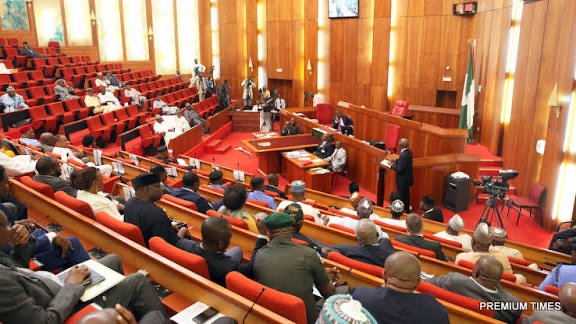
The Nigerian Senate has amended the Electoral Act (Amendment) Bill 2026, mandating the electronic transmission of election results from polling units to the Independent National Electoral Commission’s (INEC) Result Viewing Portal (IReV) but with a significant caveat for network failures.
In a dramatic U-turn during Tuesday’s plenary (February 10, 2026), the upper chamber rescinded its earlier rejection of compulsory e-transmission, following intense public backlash, protests, and criticism over perceived attempts to weaken electoral transparency.
Under the revised Clause 60(3), presiding officers are now required to electronically transmit polling unit results to IReV after the prescribed Form EC8A (statement of results) has been duly signed, stamped by the presiding officer, and countersigned by available party agents.
However, the amendment includes a key fallback provision:
“Provided that if the electronic transmission of the results fails as a result of communication failure, the result contained in Form EC8A signed by the presiding officer and/or countersigned by the polling agents shall, in such a case, be the primary source of collation and declaration of results.”
This means that in areas with poor network coverage or technical glitches, the manually completed and signed Form EC8A will override or serve as the main basis for result collation, potentially opening the door to manipulation concerns raised by critics.
The move came after an emergency reconsideration sparked by widespread outrage, including from civil society, opposition figures, and even some senators like Natasha Akpoti-Uduaghan (who has advocated for mandatory real-time transmission and suggested partnerships like Starlink to eliminate connectivity excuses).
Supporters view the amendment as a compromise that advances technology while addressing practical realities in Nigeria’s diverse terrain. Detractors, however, argue it falls short of true reform by retaining a loophole that could undermine the credibility of electronic uploads especially given past controversies over result tampering.
The Senate insists the provision balances innovation with reliability, but the debate continues as the bill heads toward harmonization with the House of Representatives and potential presidential assent.
This development keeps electoral reform in the spotlight ahead of the 2027 general elections, with many Nigerians demanding foolproof, real-time transparency to restore trust in the process.