
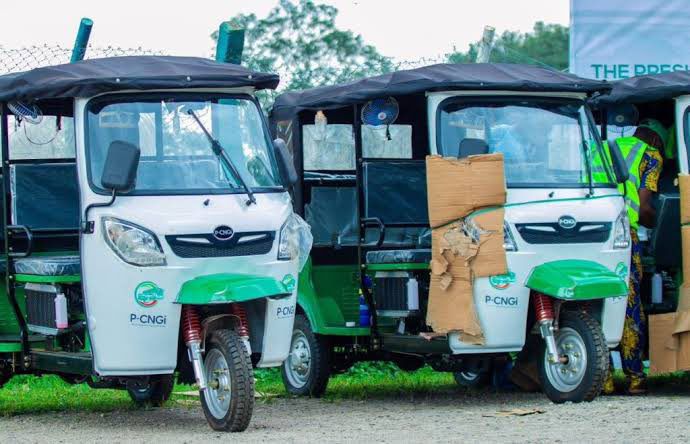
The Federal Government of Nigeria has finalized a comprehensive strategy to deploy ten thousand electric tricycles across the country beginning in August. Vice President Kashim Shettima disclosed this development during a high profile meeting with key transit stakeholders at the State House in Abuja. The massive fleet deployment is structurally designed to ease severe public transportation bottlenecks while aggressively accelerating the transition of the West African nation toward cleaner and more sustainable green mobility alternatives.
Initially, the North East Development Commission will oversee the distribution of these eco friendly vehicles across the northeastern geopolitical zone. To ensure a nationwide impact, President Bola Tinubu has formally authorized all other regional development commissions to rapidly replicate this green empowerment scheme within their respective territories.
This green transport rollout functions as a pivotal component of a much larger national logistics restructuring agenda. The administration intends to phase out highly fragmented and inefficient transport networks in favor of a seamlessly integrated maritime, rail, and road network. Government authorities emphasize that the introduction of electric transit options will operate in tandem with the ongoing expansion of compressed natural gas infrastructure.
By introducing these localized clean energy alternatives, the state aims to systematically lower the cost of moving critical agricultural commodities and everyday goods while eliminating costly supply chain delays. Furthermore, transport sector operators stand to benefit from a significant reduction in daily operational overheads as the country aggressively pivots away from traditional fossil fuel dependence.