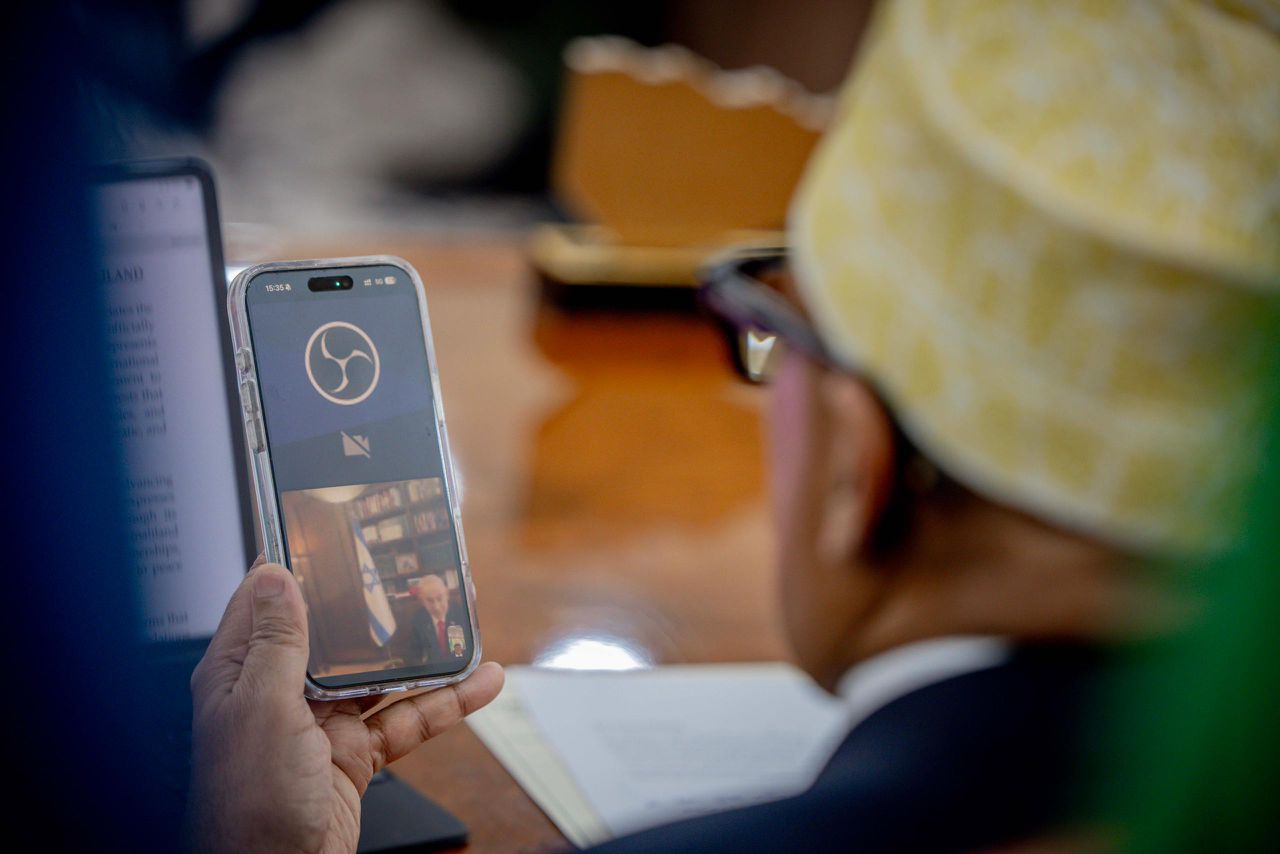
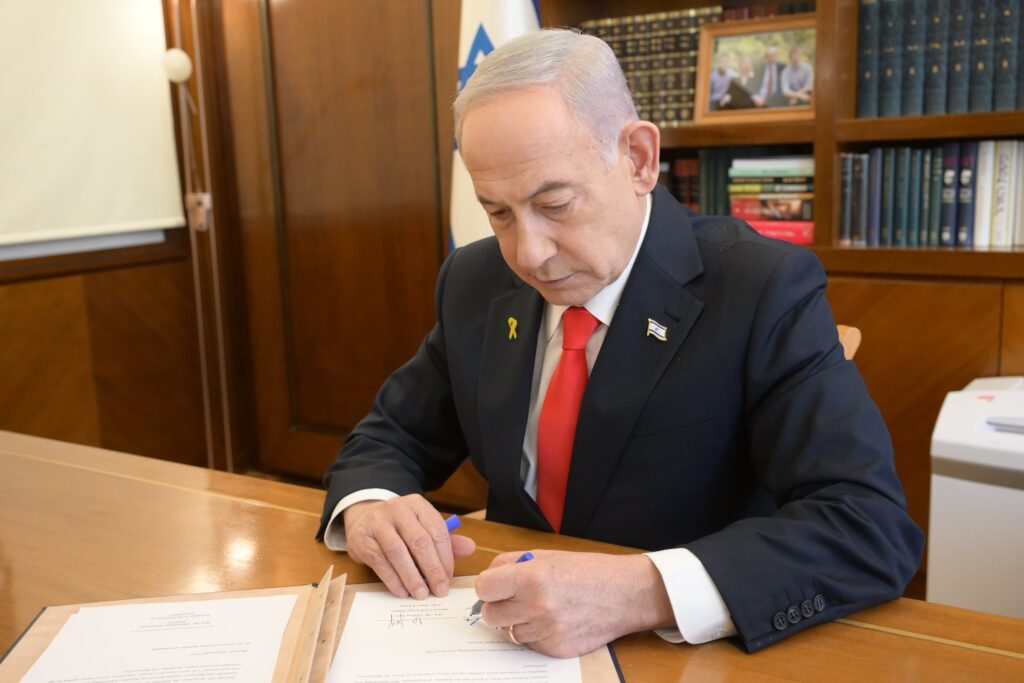
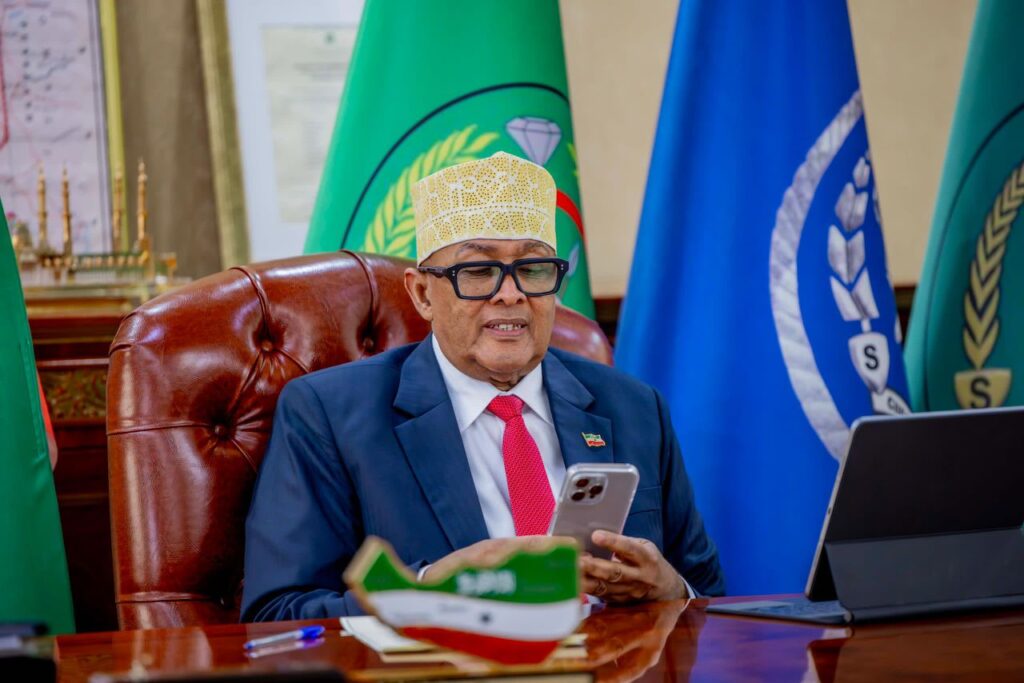
In a historic diplomatic move, Israel became the first country to formally recognize the Republic of Somaliland as an independent and sovereign state on December 26, 2025, more than three decades after the breakaway region declared independence from Somalia. The mutual recognition, signed by Israeli Prime Minister Benjamin Netanyahu, Foreign Minister Gideon Sa’ar, and Somaliland President Abdirahman Mohamed Abdullahi, has drawn swift international condemnation, with critics labeling it a violation of Somalia’s sovereignty and a threat to regional stability.
The announcement was framed by Netanyahu as an extension of the Abraham Accords, the U.S.-brokered agreements that normalized relations between Israel and several Arab states during Donald Trump’s first presidency. “We will seek immediate cooperation with Somaliland in agriculture, health, technology, and the economy,” Netanyahu stated, while inviting President Abdullahi for an official visit to Israel. Abdullahi hailed the recognition as a “historic moment” and a step toward joining the Abraham Accords, emphasizing commitments to partnerships, prosperity, and stability in the Middle East and Africa. Both nations plan to open embassies and appoint ambassadors, with potential collaboration in economic fields and social development.
Somaliland, a former British protectorate in northwestern Somalia, declared independence in 1991 amid Somalia’s civil war and has since maintained relative peace, stability, and democratic governance, including peaceful power transitions. Despite functioning as a de facto state with its own institutions, currency, and security forces, it has lacked international recognition, limiting access to global markets, loans, and aid. Historical ties with Israel date back to 1960, when Somaliland briefly gained independence and was recognized by Israel before uniting with Italian Somaliland to form Somalia. Somaliland officials hope Israel’s move will encourage other nations to follow, enhancing its diplomatic standing.
Strategically, Somaliland’s location along the Red Sea coastline in the Horn of Africa offers Israel advantages, including proximity for operations against Iran-backed Houthi rebels in Yemen. The recognition has also been linked to earlier reports—denied by both sides—of discussions on resettling Palestinians from Gaza in Somaliland, which faced international backlash.
The decision has provoked widespread outrage. Somalia’s federal government condemned it as an “unlawful step” and “deliberate attack” on its sovereignty, vowing diplomatic, political, and legal measures to defend its unity and borders. President Hassan Sheikh Mohamud called it “illegal aggression” contrary to international norms. The African Union (AU) rejected the recognition, reaffirming Somaliland as an “integral part” of Somalia and warning of risks to continental peace. Regional bodies like the Arab League, Gulf Cooperation Council (GCC), and Organization of Islamic Cooperation (OIC) echoed these sentiments, describing it as a “grave violation” of international law that threatens stability in the Horn of Africa and Red Sea.
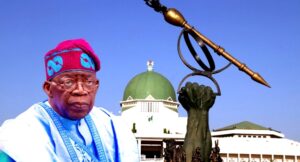
A joint statement from foreign ministers of over 20 countries—including Jordan, Egypt, Algeria, Iran, Iraq, Saudi Arabia, Qatar, Pakistan, Turkey, and Yemen—condemned the move as an infringement on Somalia’s territorial integrity and a dangerous precedent. Egypt’s Foreign Minister Badr Abdelatty coordinated with counterparts in Somalia, Turkey, and Djibouti to denounce the action. The European Union urged respect for Somalia’s unity and called for dialogue between Mogadishu and Hargeisa. China, Nigeria, and others issued separate condemnations. U.S. President Donald Trump stated Washington would not recognize Somaliland, distancing the U.S. from the decision.
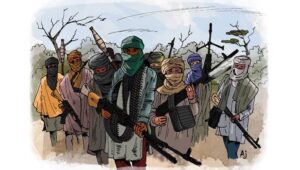
Palestinian groups, including the Palestinian Authority and Hamas, rejected the recognition, viewing it as tied to alleged plans for displacing Palestinians—claims both Israel and Somaliland have denied. Al-Shabab, the al-Qaeda-linked militant group in Somalia, pledged to resist any Israeli presence. The United Nations Security Council is set to convene an emergency session on December 29 to address the fallout, at Somalia’s request.
Reactions on social media platform X reflect divided opinions. Somaliland supporters celebrated the “bright future” and rejected extremism, while critics, including from Somalia and Arab states, decried it as “state aggression” and a violation of sovereignty. Notably, Ethiopia and the United Arab Emirates—key partners in Somaliland’s Berbera Port development—have remained silent, a move analysts interpret as strategic caution to avoid immediate backlash while monitoring developments.
Analysts warn the recognition could set a precedent for other secessionist movements, potentially destabilizing the Horn of Africa amid ongoing tensions over resources, security, and Red Sea trade routes. As diplomatic pressures mount, the move underscores Israel’s efforts to expand ties in Africa while Somaliland seeks broader legitimacy on the world stage.