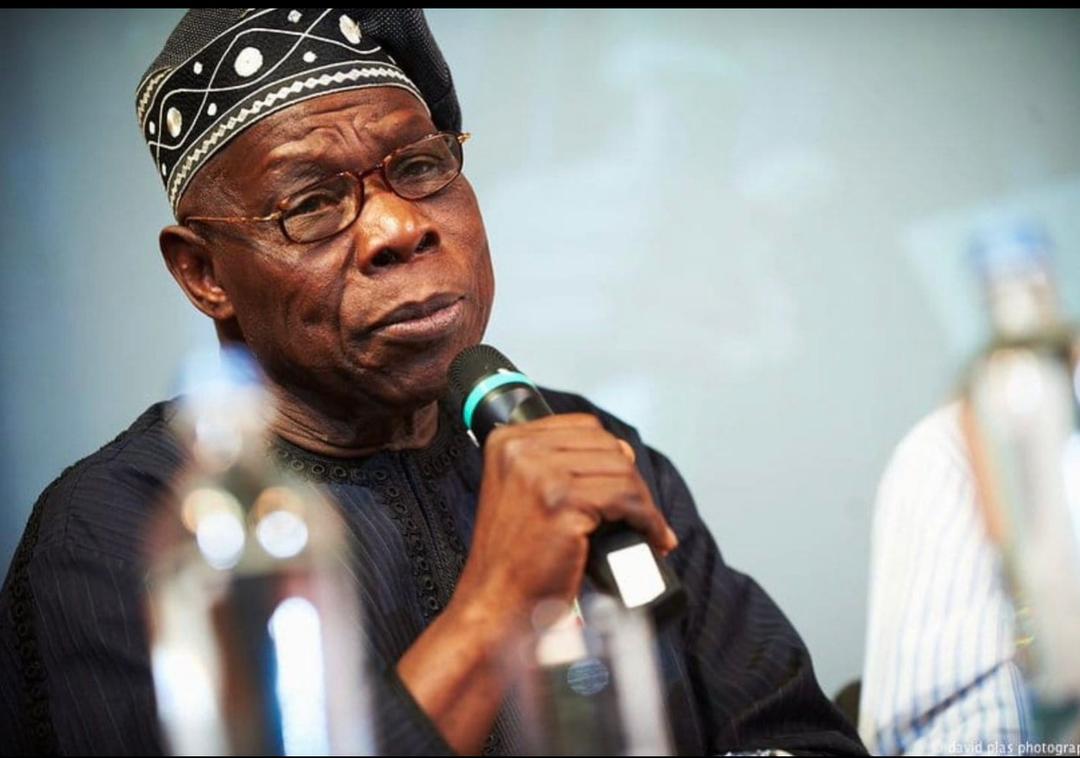
Former President Olusegun Obasanjo has sharply criticized the current quality of leadership in Nigeria, describing it as a major factor responsible for the country’s deepening challenges. In a recent candid interview, the elder statesman expressed deep concern over the persistent issues of insecurity, economic hardship, and declining international influence, all of which he attributed to a lack of visionary, patriotic, and competent leaders. According to Obasanjo, any government that fails to protect the lives and property of its citizens has lost its legitimacy and does not deserve to remain in power.
The former president stressed that Nigeria’s problems are not rooted in the constitution or lack of resources, but rather in the poor quality of those entrusted with leadership positions. He pointed out that the nation has gradually lost its once prominent voice on the global stage and is no longer actively involved in shaping important international decisions. Obasanjo noted with regret that Nigeria’s handling of regional matters, particularly within the Economic Community of West African States, reflects a clear deficit in strategic understanding and effective diplomacy at the highest levels.
He further lamented the worsening state of insecurity across the country, arguing that the inability of successive administrations to safeguard citizens has eroded public trust and weakened national stability. Obasanjo maintained that true progress can only be achieved through a fundamental shift toward better prepared, selfless, and forward-thinking leadership. He warned that without such a transformation, Nigeria risks continued decline and may struggle to reclaim its rightful place among respected nations.
The outspoken remarks have reignited public debate on governance and accountability, with many Nigerians reflecting on the gap between leadership expectations and current realities. As Obasanjo continues to lend his voice to national discourse, his latest comments serve as a strong reminder of the urgent need for improved leadership standards to address the multifaceted challenges facing the country.