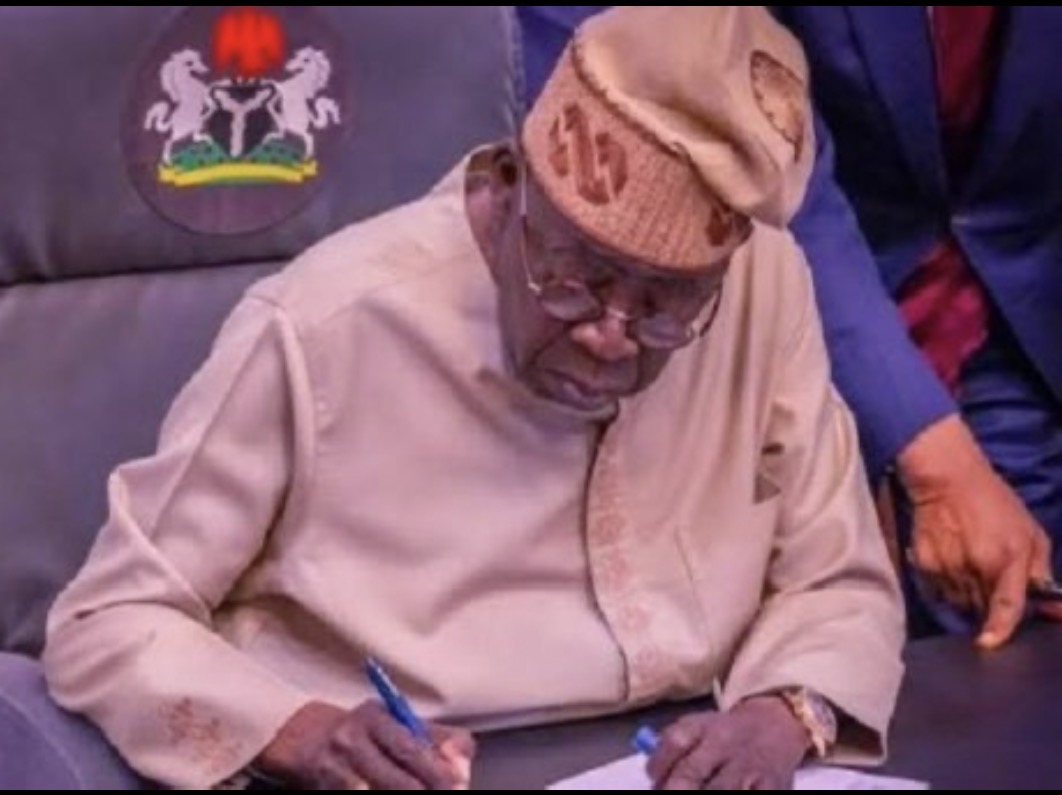
President Bola Ahmed Tinubu has given approval for a comprehensive nationwide overhaul of sports infrastructure, marking a significant step toward revitalizing Nigeria’s sporting facilities and positioning sports as a key driver of youth empowerment, economic growth, and national development. The initiative, spearheaded by the National Sports Commission, begins with an ambitious first phase that prioritizes the complete rehabilitation of the Moshood Abiola National Stadium in Abuja, alongside upgrades to other major venues across the country.
The Moshood Abiola National Stadium, which has suffered from disrepair in its pitch, tartan tracks, and supporting facilities, will undergo extensive redevelopment. This includes reconstruction of the main bowl, installation of modern floodlights, introduction of Video Assistant Referee technology, upgrades to changing rooms, and completion of a high performance centre.
Additional projects will target key stadiums in cities such as Lagos, Ibadan, Kaduna, and Kano, while also establishing mini sports centres in communities and tertiary institutions to broaden talent identification and grassroots participation. These efforts aim to restore Nigerian venues to international standards, enabling the country to host major continental and global sporting events.
The Federal Government has backed this transformation with substantial funding, including allocations within the 2026 national budget and the establishment of a National Sports Infrastructure Development Bond to ensure sustainable financing for ongoing renovation and maintenance.
According to the National Sports Commission, this deliberate investment reflects President Tinubu’s vision of using sports infrastructure to curb youth restiveness, create economic opportunities, and foster national unity. The overhaul is expected to generate employment, boost local economies around sporting venues, and provide world class facilities for athletes and fans alike.
This nationwide stadium overhaul initiative signals a renewed commitment by the Tinubu administration to address long standing infrastructural deficits in the sports sector. Stakeholders in sports, business, and governance have welcomed the move, viewing it as a strategic foundation for Nigeria’s emergence as a sporting powerhouse on the African continent and beyond. As implementation begins, expectations remain high for timely execution and transparent delivery that matches the scale of presidential approval.