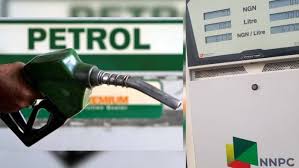
Nigeria has emerged as the country with the steepest surge in petrol pump prices worldwide following the escalation of conflict in the Middle East involving Iran, the United States, and Israel starting late February 2026. According to market analyses from sources like TheCableIndex drawing on Global Petrol Prices data, Nigeria recorded a 39.5 percent increase in petrol prices between February 23 and March 16, outpacing other nations and highlighting the nation’s acute vulnerability to global oil supply disruptions.
Other reports from Investinsight indicate Nigeria experienced around a 40 percent hike since the war began on February 28, closely trailing or tying with Vietnam’s 50 percent rise in some metrics, while countries like Laos saw 32.9 percent, Australia and Vietnam 31.8 percent each, and the United States 23.6 percent. The sharp rise stems from a dramatic surge in global crude oil prices, with Brent crude jumping from about $72 per barrel to peaks near $119 amid supply fears and geopolitical tensions disrupting flows.
In Nigeria, this has translated into petrol pump prices soaring from under N1000 per litre in late February to over N1000 and up to N1400 in some areas by mid-March, driven by ex-depot adjustments from the Dangote Refinery, import costs, exchange rate pressures, and the full deregulation of the downstream sector post-subsidy removal. Despite Nigeria being Africa’s largest oil producer and home to the Dangote Refinery, the lack of full domestic refining capacity utilization and reliance on market dynamics have left consumers bearing the brunt, with transportation costs, food prices, and overall inflation spiking. Industry stakeholders warn of further potential increases if tensions persist, exacerbating economic hardship for households and businesses already grappling with cost-of-living pressures.
The development underscores Nigeria’s exposure to external shocks despite local production advantages, prompting calls for stronger buffers, diversified energy strategies, and targeted interventions to mitigate impacts on vulnerable populations.